La Dolce Vita Letter #1 - Your Weekly Italy Relocation briefing
7% flat tax just got bigger, a hidden Basilicata gem, and one thing to do this week
Published by Ori | A New Life in Italy | 22 Apr 2026
This Week in Italy
Five things you need to know right now
1. The 7% flat tax just got much bigger.
As of April 7, Italy raised the population threshold for its 7% flat tax regime from 20,000 to 30,000 residents.
That unlocks 74 new municipalities — including Ostuni, Noto, Sulmona, and Pompei. If your preferred town was previously too large to qualify, check again.
For the current information and the full list of 74 new towns, watch this video:
Everything you need to know about the 7% Flat Tax
2. American retirees are surging into Italy.
A new report shows Italy is now the 4th most popular European destination for American retirees based on US Social Security recipient data —
and Golden Visa inquiries from Americans have spiked significantly in early 2026.
3. Spain is losing ground fast.
Spain closed its Golden Visa programme and is now proposing a 100% property tax on non-EU buyers.
Many Americans who were looking at Spain are now turning to Italy instead. A direct comparison video is coming to the channel very soon.
4. Property interest in Puglia and Sicily is spiking.
Real estate agents in both regions report an immediate surge in enquiries from British, American, and Scandinavian buyers following
the 7% flat tax expansion. If you're thinking about buying in the south, the window before prices react is now.
5. Portugal's retiree tax advantage is gone.
The NHR regime ended in March 2025. New retirees in Portugal are now taxed at progressive rates up to 48%. Italy's 7% regime has no
serious European competitor right now.
Town Spotlight: Pisticci, Basilicata
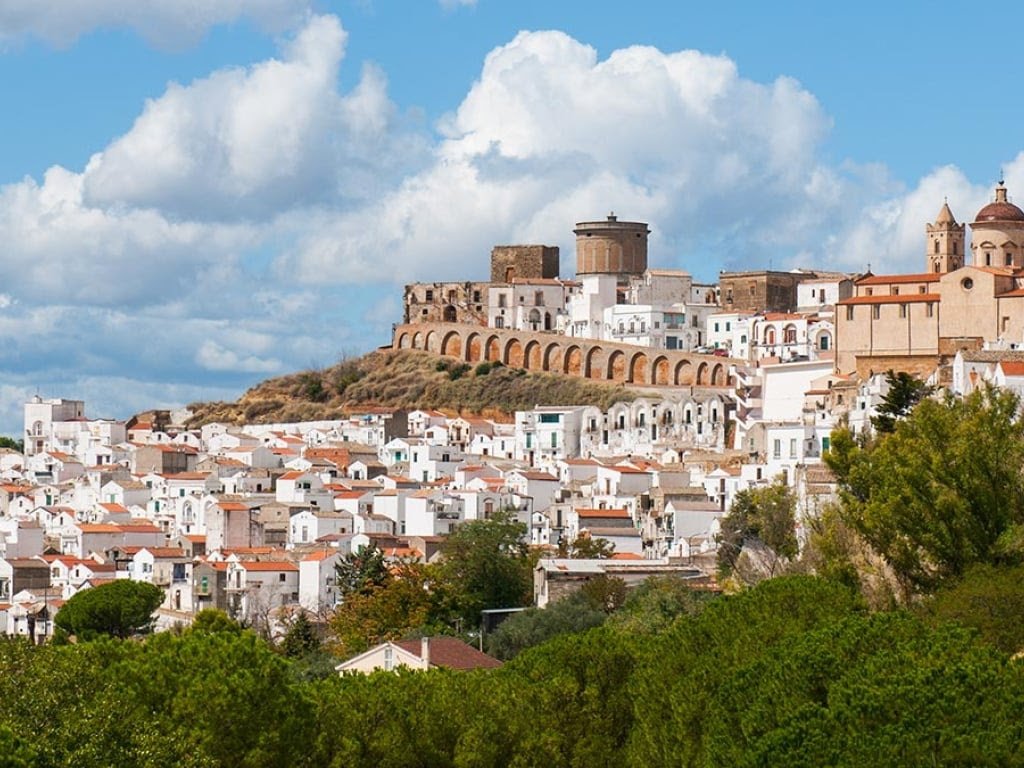
Every issue I do a short spotlight on one town worth knowing.
Most people searching southern Italy have never heard of Pisticci. That's exactly why it's worth knowing about.
Perched on a dramatic ridge above the Agri valley in Basilicata, Pisticci is one of those towns that stops you in your tracks
the first time you see it — tightly packed white houses cascading down a hillside, with views that stretch toward the Ionian
coast on a clear day. Population around 17,000. Quiet, unhurried, and genuinely Italian in a way that larger expat-popular
towns often aren't anymore.
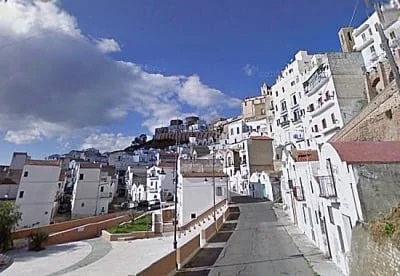
The coast at Metaponto is 30 minutes away. Matera — one of Italy's most extraordinary cities and a UNESCO World Heritage Site —
is 45 minutes. Potenza, the regional capital with full hospital facilities, is under an hour.
A two-bedroom apartment runs €300–450/month. Property to buy starts well under €80,000. Cost of living is among the lowest in Italy.
And Pisticci qualifies for the 7% flat tax regime — well under the 30,000 resident threshold, in a qualifying Basilicata region.
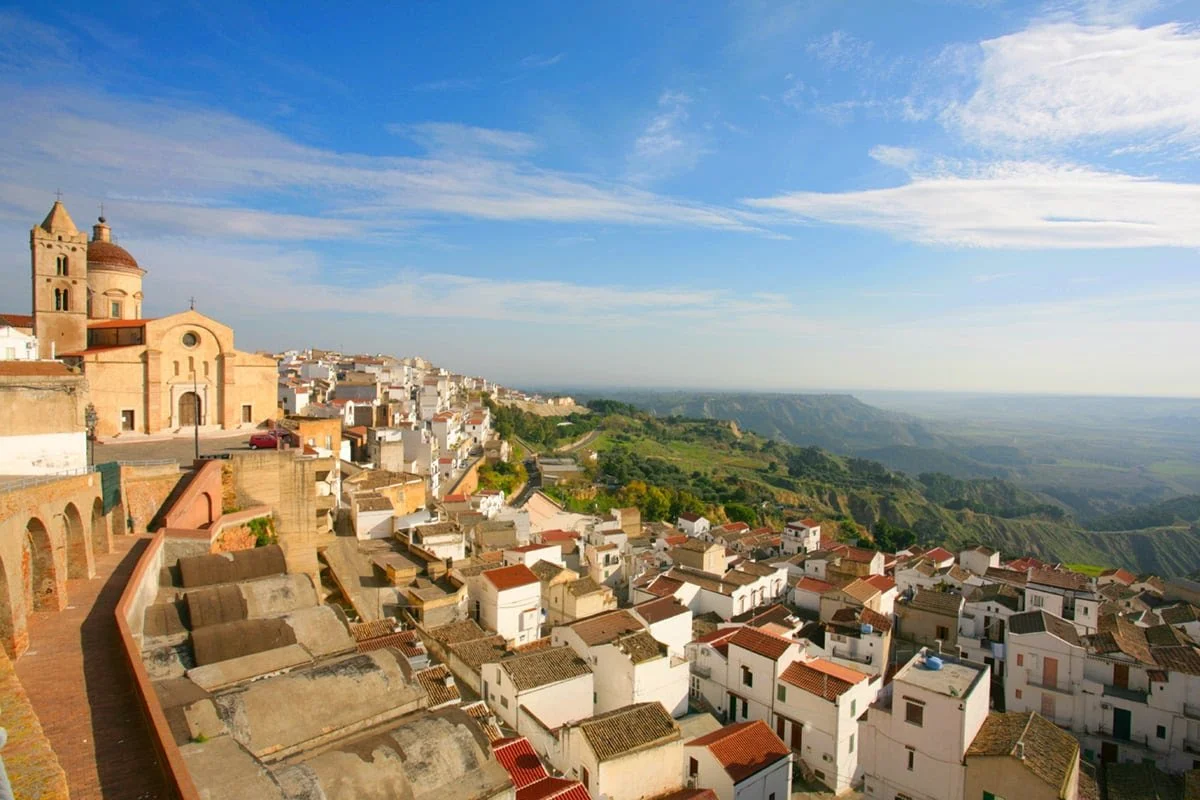
Basilicata as a whole remains one of the least explored regions for foreign movers — which means lower prices, less competition for property,
and a local community that hasn't yet been shaped by expat culture.
Good for: retirees on a budget, nature lovers, anyone who wants authentic southern Italy without the crowds.
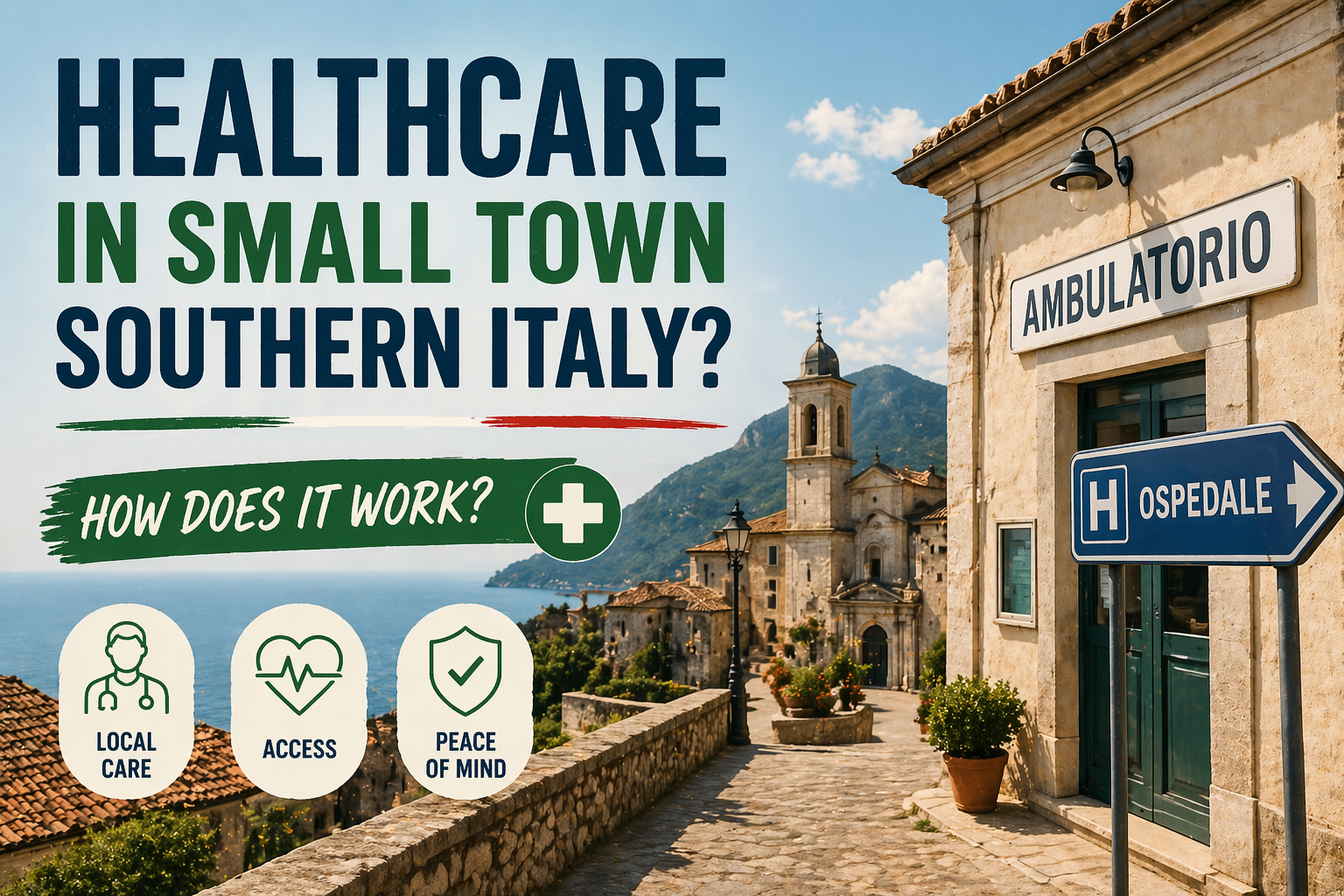
Your Question Answered
Every issue I answer one question from YouTube subscribers or Skool community members.
Question: "I'm worried about healthcare if I move to a smaller town in southern Italy.
How does it actually work?"
This is the most common concern I hear — and it deserves an honest answer, not a reassuring one.
Italy's national health system, the SSN, is ranked 2nd in the world by the WHO. Once you have legal residency you can
register with a local GP for free, and most specialist care and hospital treatment costs either nothing or a small co-payment called a ticket.
The reality in smaller southern towns is more nuanced. The system works — but the quality gap between north and south is real,
particularly in rural areas of Calabria and parts of inland Sicily. Where it matters most is in routine and specialist outpatient care.
Emergency care and major hospitals in regional capitals like Bari, Palermo, Catanzaro, and Potenza are genuinely excellent.
The practical approach most movers use: arrive with private health insurance — which your Elective Residency Visa requires anyway —
and use that for the first year while you find your feet. Once you have residency and a Codice Fiscale, register with the SSN.
Many expats in the south keep a basic private policy alongside the SSN for faster access to specialists. The annual cost for a healthy
person in their 50s typically runs €800–€1,500/year.
Bottom line: healthcare in southern Italy is not the risk most people imagine. It requires a little planning — but so does everything about this move.
Latest YouTube Video

Americans Moving to Italy: Taxes, Social Security, Healthcare and What You Need to Know
Everything American retirees and movers need to understand before becoming Italian tax residents — from your IRA and Social Security to healthcare options and the 7% flat tax.
One Thing To Do This Week
Join the Italy Relocation Planning Club — For a limited time completely free.
Tax questions, visa questions, town recommendations, real budgets from people already in the process.
If you're serious about making this move, this is where the real conversations are happening.
Want this in your inbox every week? Subscribe to La Dolce Vita Letter below.
© A New Life in Italy | italyblueprint.com
