Same Region, Half the Price: Where to Live in Italy Without Overpaying
By Ori | A New Life in Italy | 14 Feb 2026
One of the most expensive mistakes people make when planning a |
move to Italy has nothing to do with visas or bureaucracy.
It has to do with choosing the wrong city.
Here's the pattern: someone falls in love with a region — Tuscany, Sicily, Lombardy, Lazio — and then immediately defaults to the most famous city in that region.
Florence. Palermo. Milan. Rome.
And they end up paying 40 to 50% more than they need to.
Because here's what most people don't realize: Italy's regions are enormous and diverse. You can live one hour from Florence, with the same train access, the same
hospitals, the same quality of life — and pay half the price.
Same region. Very different costs.
This post takes you through six of Italy's most popular regions and shows you where the value actually is — beyond the obvious choice.
Region 1: Tuscany — Beyond Florence
Florence is beautiful. It's also crowded, expensive, and increasingly hard to live in as a full-time resident. Tourist prices have seeped into everyday life in a way that makes budgeting genuinely difficult.
But Tuscany is much bigger than Florence.
The smart alternative: Arezzo
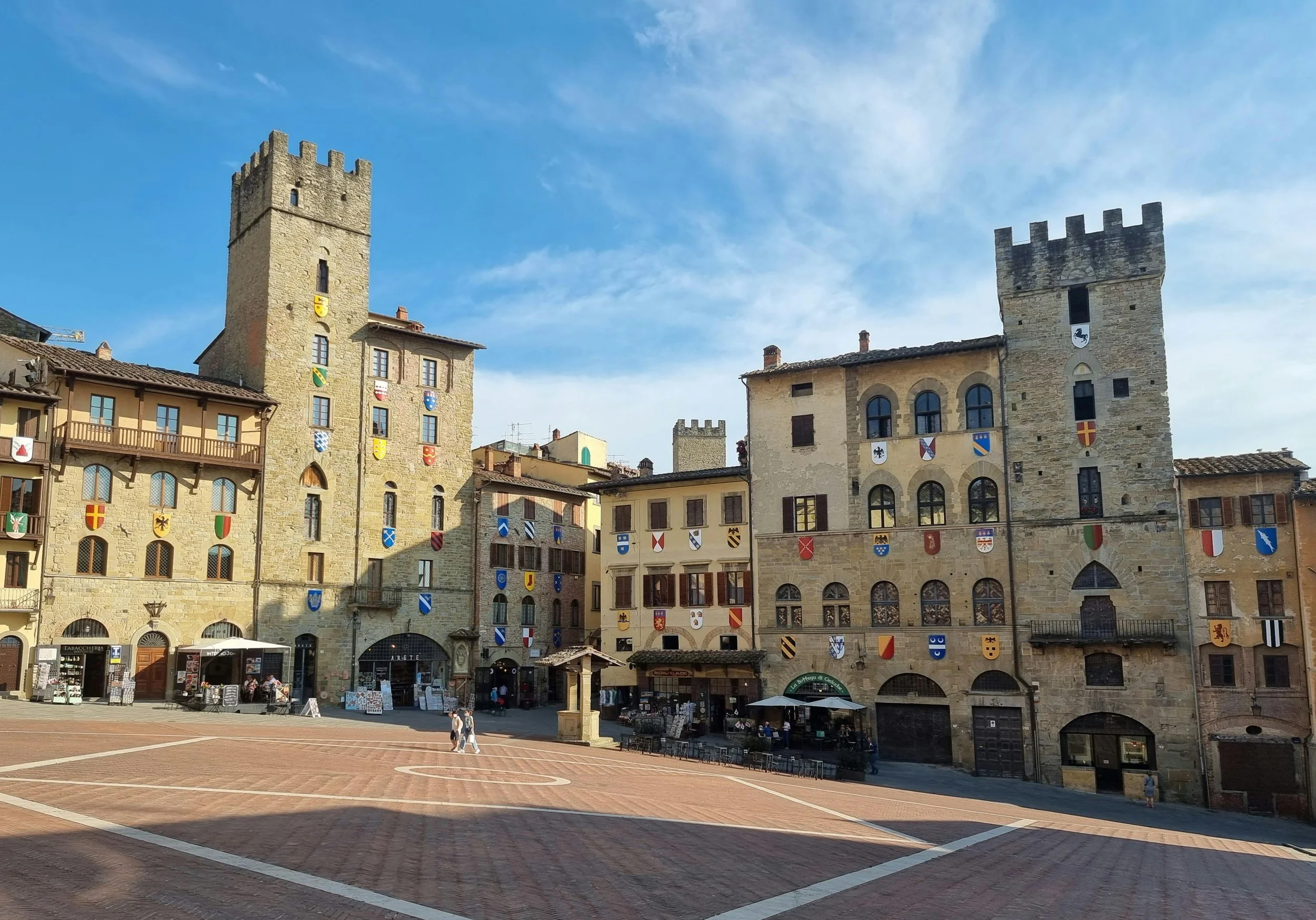
Arezzo is one of the best examples of real Tuscany at a very different price point. It's a proper historic city — not a village — with a walkable center, beautiful piazzas,
direct train connections to both Florence and Rome, real hospitals, and year-round life that doesn't shut down in October when the tourists leave.
Rents in Arezzo are often 30 to 40% lower than Florence. Buying property can be half the price — sometimes less. And unlike Florence, Arezzo still feels lived-in. Not staged.
Other Tuscany towns worth knowing:
Pistoia is close to Florence, elegant, significantly overlooked, and has excellent rail access.
Grosseto is closer to the sea, flatter, quieter, and much cheaper.
Livorno is coastal, authentic, and genuinely gritty in the best Italian sense — far more affordable than nearby Pisa or Lucca.
The point isn't to tell you where to live. It's to show you that Tuscany doesn't disappear if Florence is out of your budget. The dream just changes shape a little.
Region 2: Lombardy — Beyond Milan
Milan makes sense — if you actually need Milan. It's international, efficient, connected, and full of opportunities. It's also one of the most expensive cities in Italy, with rents that no
longer reflect normal Italian salaries or lifestyles.
The biggest mistake people make is assuming Milan is Lombardy. It isn't.
The smart alternative: Bergamo
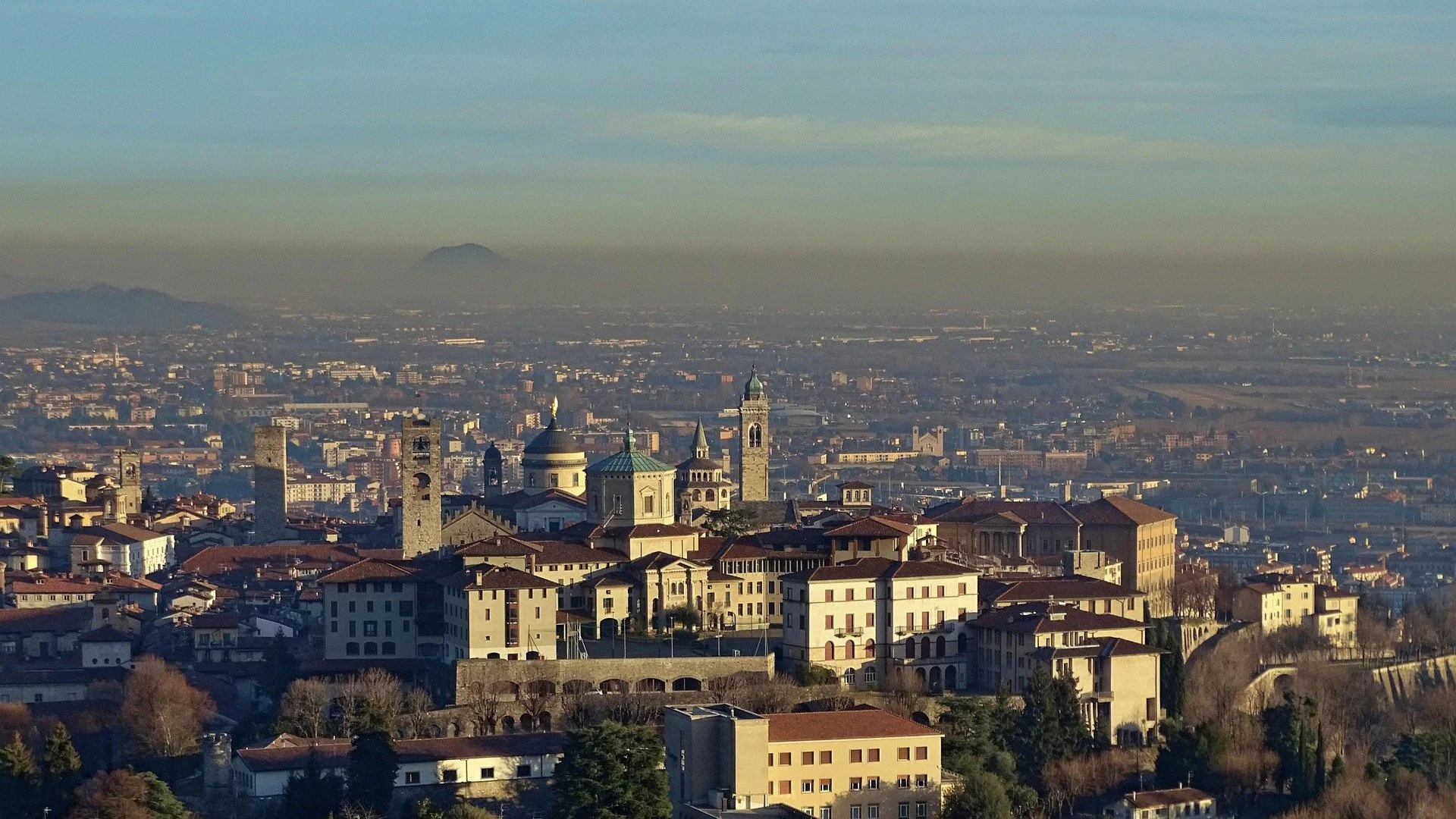
Bergamo is one of the smartest alternatives in the entire region. It has two distinct centers — a historic upper town and a modern lower town — with excellent hospitals and services,
direct trains to Milan in about 50 minutes, and easy access to the lakes, mountains, and everything Lombardy is known for.
Rental prices in Bergamo are often 30 to 40% lower than Milan. You still get Lombardy's efficiency, but with less stress, less noise, and more space.
And unlike Milan, Bergamo still feels human-sized.
Other Lombardy cities worth knowing:
Brescia is larger, less polished, very livable, and excellent value.
Monza is right next to Milan — greener, quieter, still not cheap, but far more reasonable.
Varese is worth a look for those who want a slower pace while still staying connected to the region.
The question to ask yourself: Do I need Milan — or do I just want Lombardy?
Because if it's the second one, you have much better options.
Some of my Italian viewers tell me Italy has become expensive. And they're not wrong — prices have risen. But sometimes I think: try living for a year in London, Zurich, or San Francisco —
and then come back and tell me Italy is unlivable. Perspective matters.
Region 3: Campania — Beyond Naples
Naples is intense. Brilliant. Chaotic. Overwhelming. For some people it's magical — for others it's exhausting, especially long-term. And that's where a lot of people go wrong: assuming Naples i
s the only way to experience Campania.
It isn't.
The smart alternative: Salerno
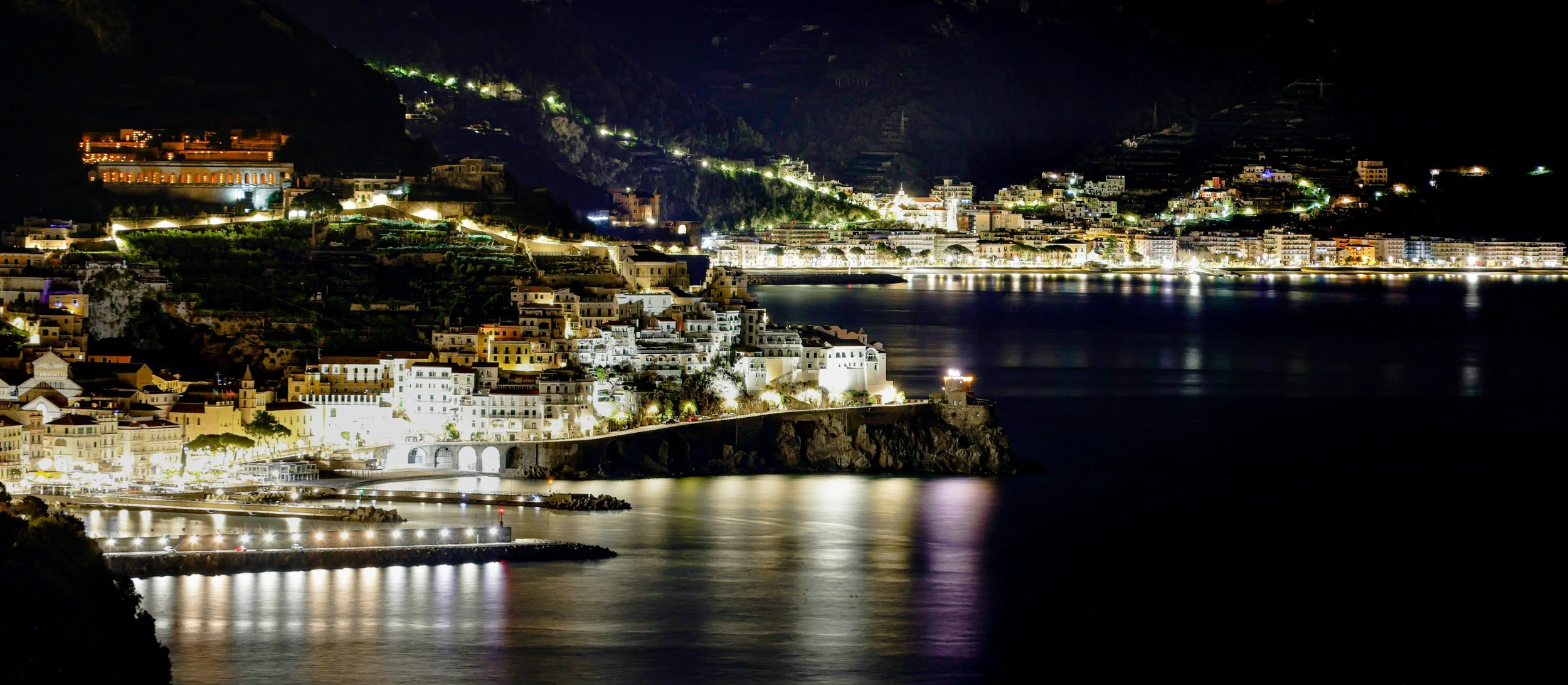
Salerno is one of the most underrated cities in southern Italy. It has a clean, modern seafront, direct high-speed trains to Rome, good hospitals and services, and a walkable center
with real year-round life that doesn't disappear off-season.
Rents in Salerno are often 40 to 50% lower than Naples. You still get Campania's food, climate, and culture — but with far less chaos. This is Campania for people who want the south, but also want daily life to be manageable.
Other Campania cities worth knowing:
Avellino is inland, greener, cooler in summer, and very affordable.
Benevento is historic, quiet, and excellent value for money.
Caserta is close to Naples, has great transport connections, and runs at a much calmer pace.
Sometimes the smartest move is choosing the second city — not the famous one.
Region 4: Sicily — Beyond Palermo and Catania
Palermo and Catania are both fascinating cities — full of history, energy, and contradictions. They're also intense, noisy, and not easy places to settle into if you're new to Italy. And that leads a lot of people to give up on Sicily altogether.
Which is a mistake. Because Sicily is much bigger than those two cities.
The smart alternative: Siracusa (Ortigia)
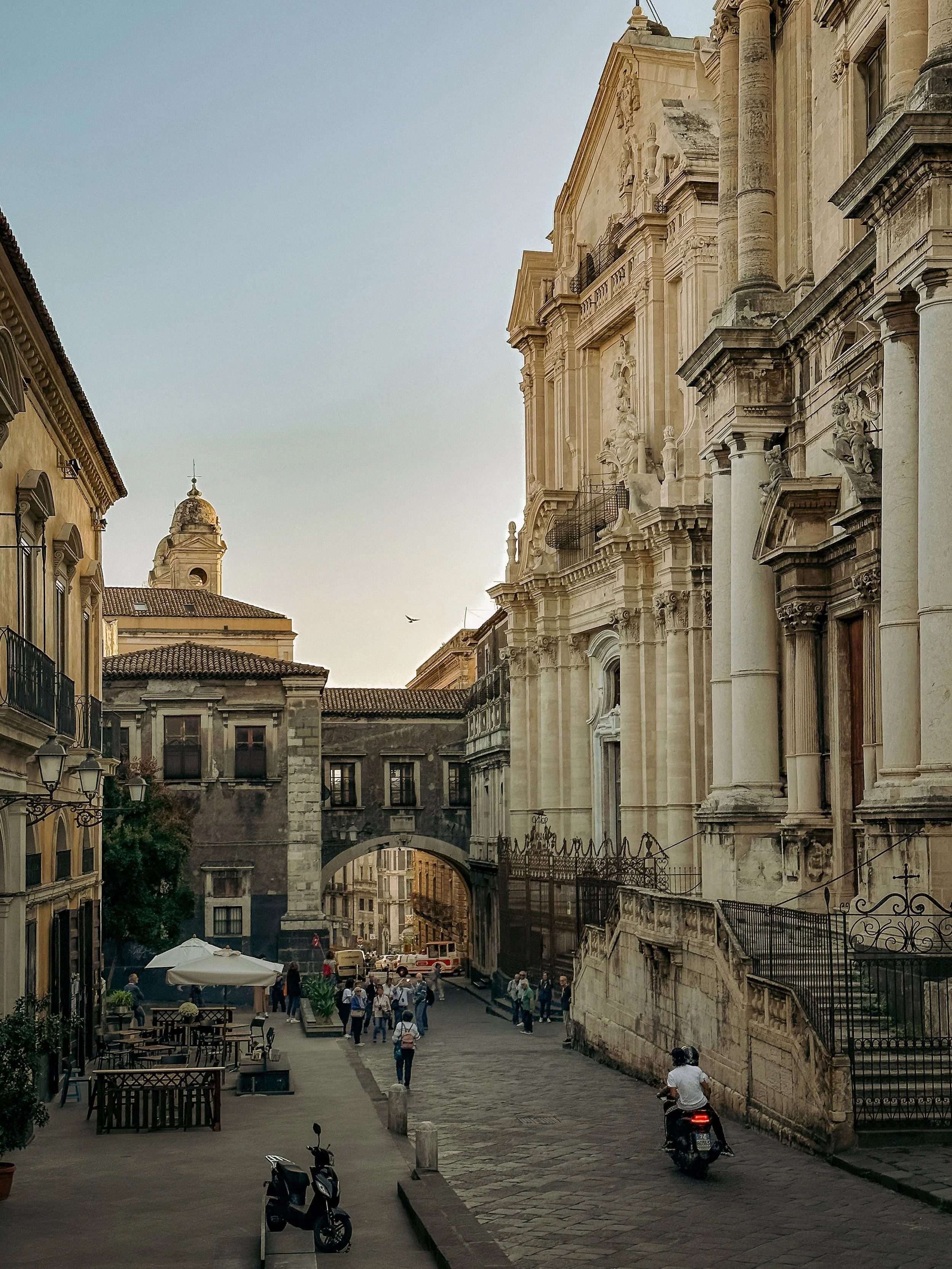
Siracusa — and specifically the historic center on Ortigia island — is one of the most livable cities in Sicily. It's walkable, elegant, and human-scale. It's coastal without being a resort town.
It has the services you need for daily life without the overwhelming scale of Palermo or Catania.
Rents are often significantly lower than either of the main cities, especially if you live just outside the Ortigia center. You still get Sicily's food, climate, and rhythm — but in a calmer, more manageable way.
Other Sicilian cities worth knowing:
Ragusa offers baroque beauty, a slower pace, and very affordable prices.
Notois elegant, small, and bright — slightly pricier than Ragusa but still very reasonable, and now qualifies for Italy's 7% flat tax regime following the April 2026 expansion.
Trapani is coastal, authentic, and excellent value.
Sicily rewards people who look one step deeper.
Region 5: Lazio — Beyond Rome
Rome is extraordinary. It's also expensive, crowded, bureaucratic, and exhausting if you're trying to build a normal, quiet daily life. For many people, Rome is an incredible place to visit —
but a very hard place to actually live.
The mistake is assuming that Rome is Lazio. It isn't.
The smart alternative: Viterbo
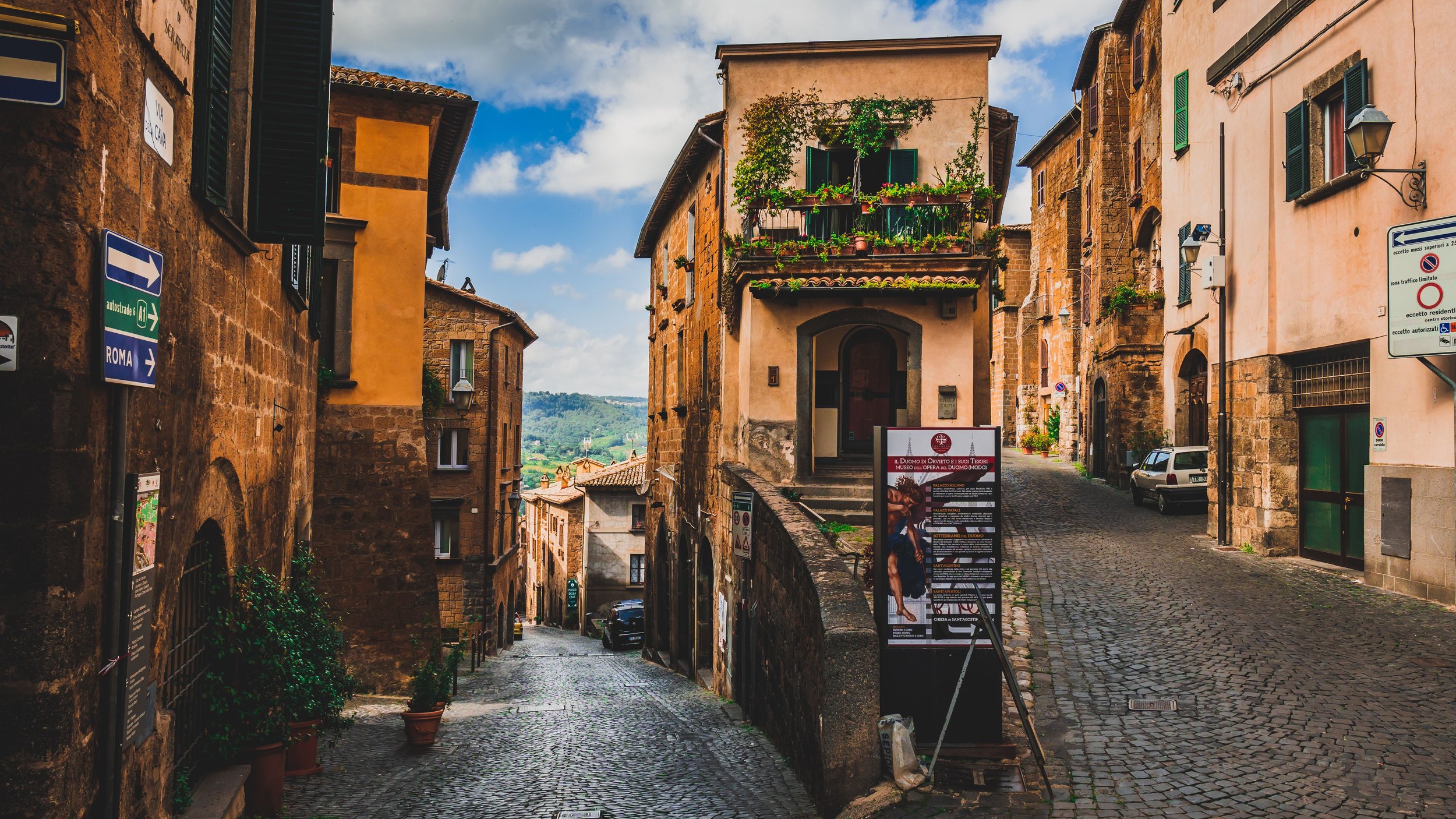
Viterbo is one of the smartest alternatives in the region. It has a real medieval center, a much quieter and greener environment than Rome, and direct train access to the capital.
Rents are often 40 to 50% lower than Rome — and buying property can be a fraction of the cost.
You're still in Lazio. You still have access to Rome. You're just not paying the Rome tax.
Other Lazio cities worth knowing:
Rieti is green, mountainous, quiet, and very affordable.
Latina is flat, modern, close to the sea, and practical for everyday living.
Frosinone is inland, good value, and improving in terms of services.
The question to ask: do you need Rome itself — or just Rome nearby?
Region 6: Veneto — Beyond Venice
Venice is unlike anywhere else on earth. It's also one of the least practical places to live full-time — high rents, heavy tourism, genuine logistical challenges, and daily life designed
around visitors rather than residents.
And yet Veneto itself is one of the best regions in Italy.
The smart alternative: Padua
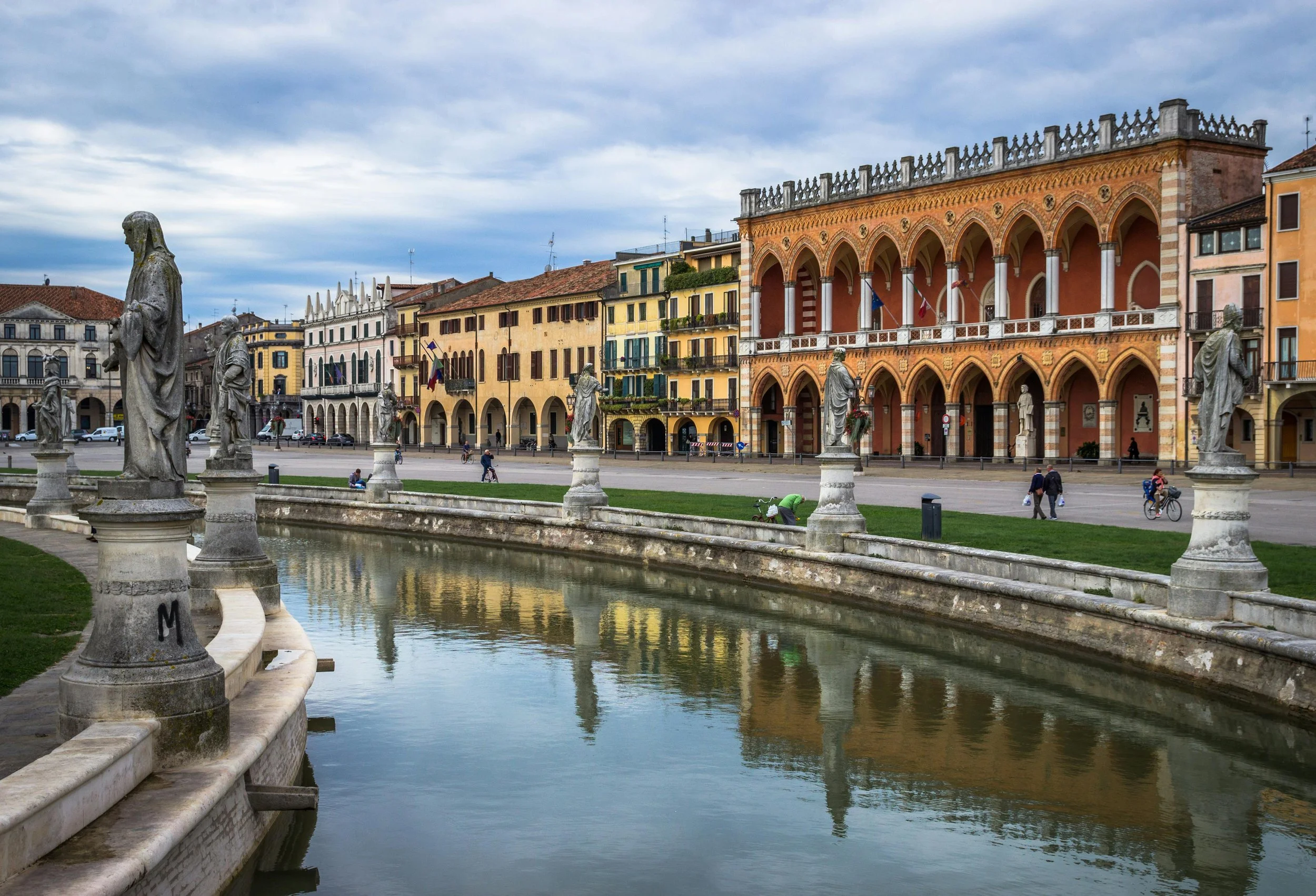
Padua is what Venice isn't — elegant, livable, and functional. It has excellent hospitals, a strong university, solid public transport, and easy access to Venice, Verona, and Bologna.
Rents in Padua are often half of Venice, with far better quality of daily life.
You still get Veneto's organization and culture. You're just not living inside a postcard.
Other Veneto cities worth knowing:
Vicenza is refined, historic, and excellent value.
Treviso is smaller, elegant, and very livable.
Rovigois quieter, much cheaper, and almost entirely overlooked by the expat community.
Venice is unforgettable. Veneto is livable. Confusing the two is how people overpay.
The Pattern Worth Remembering
Italy isn't expensive everywhere.
But the default choices usually are.
Every region in this post has a famous, overpriced city that everyone gravitates toward — and a smarter alternative one train ride away that most people never consider.
Same region. Different city. Very different cost of living.
If you're planning seriously and want to understand what your money actually buys in different parts of Italy — run your numbers in the free tax calculator:
👉 italyblueprint.com/tax-calculator
And if you want to connect with people who are making exactly these decisions right now — the community is free to join:
👉 Italy Relocation Planning Club
© A New Life in Italy | italyblueprint.com
