How Much Does It Cost to Retire in Italy in 2026?
By Ori | A New Life in Italy

There is one question almost everyone asks at the beginning:
“How much money do I need to retire in Italy?”
And honestly, it is a fair question.
But it is also the wrong question — at least at first.
Because Italy is not one price.
Retiring in Milan is not the same as retiring in Abruzzo. Living in a small town in Calabria is not the same as renting near Florence. A couple who already owns a home will have
a very different monthly budget from someone renting in a popular coastal town.
So the better question is this:
What kind of Italy are you trying to retire into?
That is where the numbers start to make sense.
The short answer
For 2026, a realistic retirement budget in Italy usually looks something like this:
A single person may live modestly from around €1,500 to €2,000 per month, depending heavily on rent and location.
A couple may need around €2,200 to €3,500 per month for a more comfortable lifestyle.
And if you want larger cities, frequent travel, a nicer apartment, a car, regular restaurants, private healthcare, and fewer compromises, you may be looking at €3,500+ per month.
That does not mean everyone spends that much. Some people live on less. Some spend much more.
But if you are planning seriously, you should not build your future around the lowest number you found online.
That’s exactly why I created the free Italy relocation roadmap — to help you start planning with real numbers, not random guesses.
That is how people get into trouble.
The biggest cost is almost always housing
If you want to understand your Italy budget, start with housing.
Not coffee. Not pasta. Not train tickets.
Housing.
A person renting a small apartment in a less expensive town may have a completely different life from someone renting in Rome, Florence,
Bologna, Milan, or a fashionable coastal area.
This is where many retirement dreams get distorted.
People hear that Italy is “cheap,” but then they look at rental prices in the places they actually want to live — near the sea, near a historic center, close
to airports, with good healthcare, restaurants, services, and an expat community.
Suddenly, Italy is not so cheap anymore.
As a rough planning range:
Smaller towns and inland areas: €500–€900/month
Mid-sized cities or popular towns: €800–€1,400/month
Major cities or high-demand areas: €1,300–€2,500+/month
Could you find cheaper? Yes.
Would I build a retirement plan assuming you will? No.
That is the difference between browsing and planning.
Food and groceries are still one of Italy’s strengths

Groceries in Italy can be very reasonable, especially if you cook at home, shop seasonally, and avoid trying to recreate an American or British lifestyle product by product.
For many retirees, food is one of the areas where Italy feels generous.
Fresh produce, pasta, local cheese, olive oil, bread, coffee, wine, and simple ingredients are often excellent value.
A single person might spend around €250–€400/month on groceries.
A couple might spend around €400–€700/month, depending on how they shop and eat.
Restaurants are where the budget can move quickly.
A simple local lunch is one thing. Frequent dinners in tourist areas are another. Italy can be affordable, but it will not protect you from your own habits.
Utilities and household costs
Utilities can surprise people.
Electricity, gas, water, internet, mobile phone, waste collection, building fees, heating, and maintenance all add up.
Heating can be especially important in older homes, mountain towns, countryside properties, and stone houses.
That romantic old house may be beautiful in October.
In January, it may become a financial education.
A reasonable monthly planning range:
Utilities and internet for an apartment: €180–€350/month
Larger homes, old properties, or colder areas: €300–€600+/month
If you buy a detached house, especially an older one, leave room for maintenance. Italy has plenty of charming homes. Charm often comes with invoices.
Healthcare: good, but not “free” in the way people imagine
Italy has a respected public healthcare system, but how you access it depends on your citizenship, residency status, and situation.
EU citizens, Italian citizens, working residents, pensioners, and non-EU retirees may all have different paths and costs.
For some non-EU residents, voluntary registration with Italy’s national health service has become more expensive in recent years, with a commonly cited minimum annual contribution of €2,000 for certain foreign residents. Rules and eligibility can vary, so this is one of those areas where you must confirm your specific situation before relying on internet advice.
Some retirees also choose private insurance or private appointments, especially while settling in or dealing with language barriers.
Planning number:
Public system contribution / private insurance / out-of-pocket buffer: €150–€300+/month
Some people will spend less. Some will spend more. But putting zero in your budget is not serious planning.
Transport: car or no car changes everything
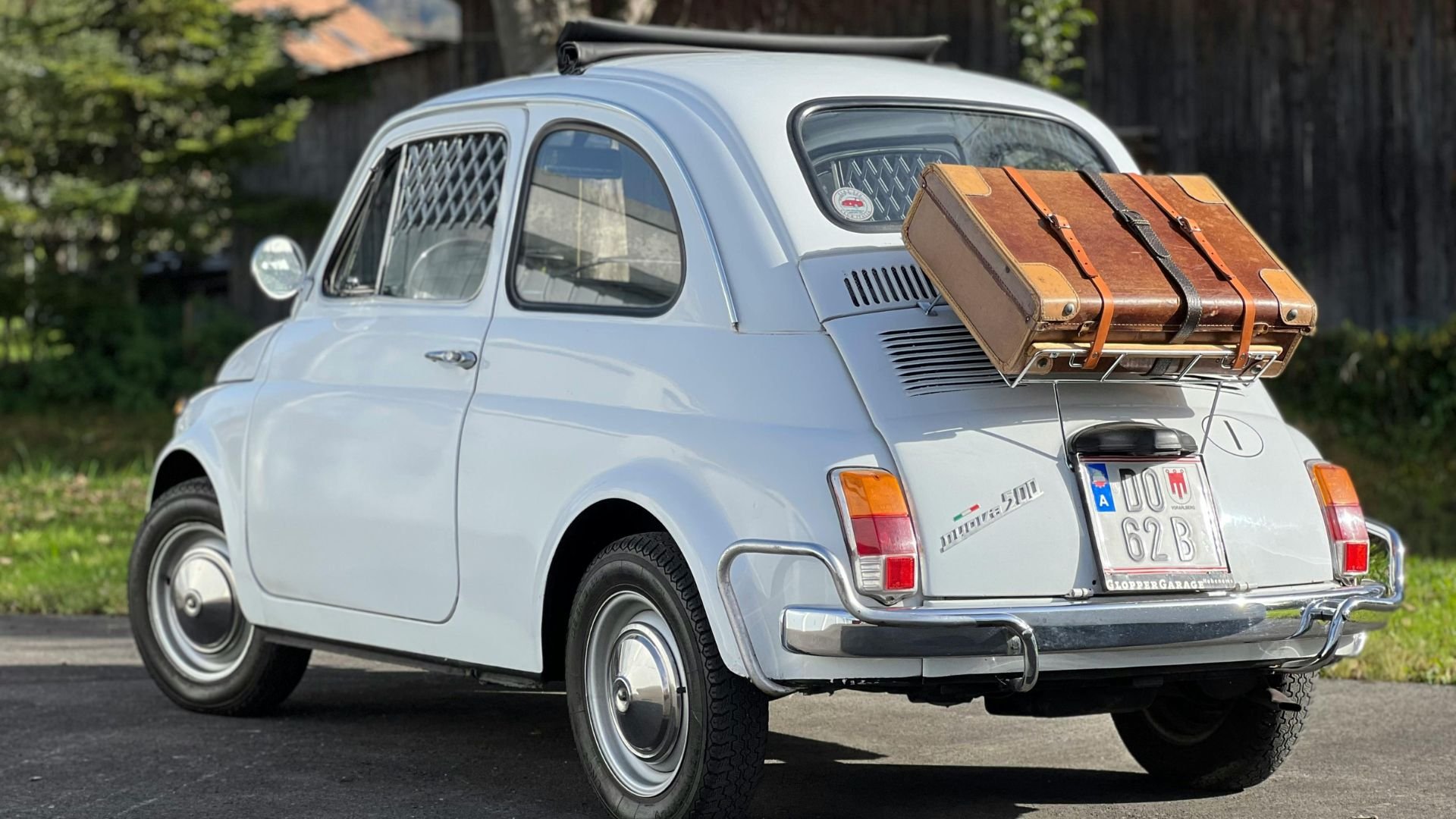
One of the smartest questions you can ask before moving to Italy is:
Can I live there without a car?
If the answer is yes, your monthly costs may be much easier to control.
If the answer is no, you need to budget for insurance, fuel, servicing, road tax, parking, tolls, repairs, and possibly the cost of changing or buying a car.
A no-car lifestyle in a walkable town with train connections can be very affordable.
A countryside lifestyle with land, views, and space may be beautiful — but it usually comes with a car.
Planning range:
Public transport lifestyle: €50–€150/month
Car lifestyle: €300–€700+/month
This is why “where should I live?” is not only a lifestyle question. It is a budget question.
Taxes may change your entire retirement number
This is the part people avoid because it is boring.
Do not avoid it.
Taxes can completely change whether your Italy retirement plan works.
You can also try the Italy Tax Calculator to get a basic estimate before making bigger decisions.
Italy taxes residents on worldwide income. That can include pensions, investment income, rental income, and foreign assets, depending on your situation, treaties, citizenship, and tax residency.
There are also special regimes, including Italy’s 7% flat tax regime for some foreign pensioners moving to eligible municipalities. The regime is aimed at people with foreign pension income who meet specific conditions, and the population threshold for eligible towns has been reported as expanding from 20,000 to 30,000 residents in 2026.
That sounds attractive, and for the right person it can be.
But never assume you qualify.
And never assume your pension, Social Security, rental income, investments, home abroad, or retirement accounts will be treated the way they are treated in your home country.
This is where a lot of people get caught.
The lifestyle may be affordable. The tax structure may not be.
A realistic monthly budget for retiring in Italy
Here is a rough planning example for a couple renting in a mid-priced town or smaller city.
Category Monthly estimate
Rent€ €900–€1,400
Utilities / internet / phones €250–€400
Groceries €450–€700
Restaurants / cafés €200–€500
Healthcare / insurance / medical buffer €150–€350
Transport €100–€500
Household / clothing / personal €200–€400
Travel / entertainment / buffer €300–€700
Estimated total €2,550–€4,950
That range is wide on purpose.
Because the answer depends on your life.
If you own a home outright, your monthly number may drop. If you rent in a prime location, it may rise. If you travel often, eat out often, or keep a car, it rises again.
The dangerous number is not the high number.
The dangerous number is the fantasy number.
Can you retire in Italy on €1,500 a month?
Maybe.
But I would be careful.
A single person living in a modest apartment in a lower-cost area, without a car, with simple habits and good discipline, may be able to live around that level.
But it leaves less room for:
rent increases
healthcare surprises
travel back home
currency changes
tax surprises
home repairs
family emergencies
mistakes
So yes, it may be possible.
But possible is not the same as comfortable.
Can a couple retire in Italy on €2,000 a month?
Again, maybe.
But I would call this a tight budget, not a relaxed one.
It depends heavily on whether you rent or own, whether you need a car, where you live, and whether your tax situation is simple.
A couple on €2,000 per month should be looking carefully at lower-cost regions, smaller towns, and a fairly simple lifestyle.
This is not the budget for “we’ll live near the sea, eat out all the time, travel across Europe, rent a beautiful historic apartment, and not worry about anything.”
That is not planning. That is YouTube fantasy.
What about €3,000 a month?
This is where Italy starts to feel more realistic for many retirees.
At around €3,000/month, especially outside the most expensive cities, a couple may have a much more comfortable life.
Not luxury.
But breathing room.
You may be able to rent a decent place, eat well, enjoy local restaurants, travel a bit, pay for healthcare needs, and not feel like every euro is under pressure.
But even at €3,000, the region matters.
€3,000 in parts of Abruzzo, Le Marche, Puglia, Molise, Calabria, or inland Sicily is very different from €3,000 in Milan, Florence, central Rome, or a fashionable coastal town.
Region matters more than people think
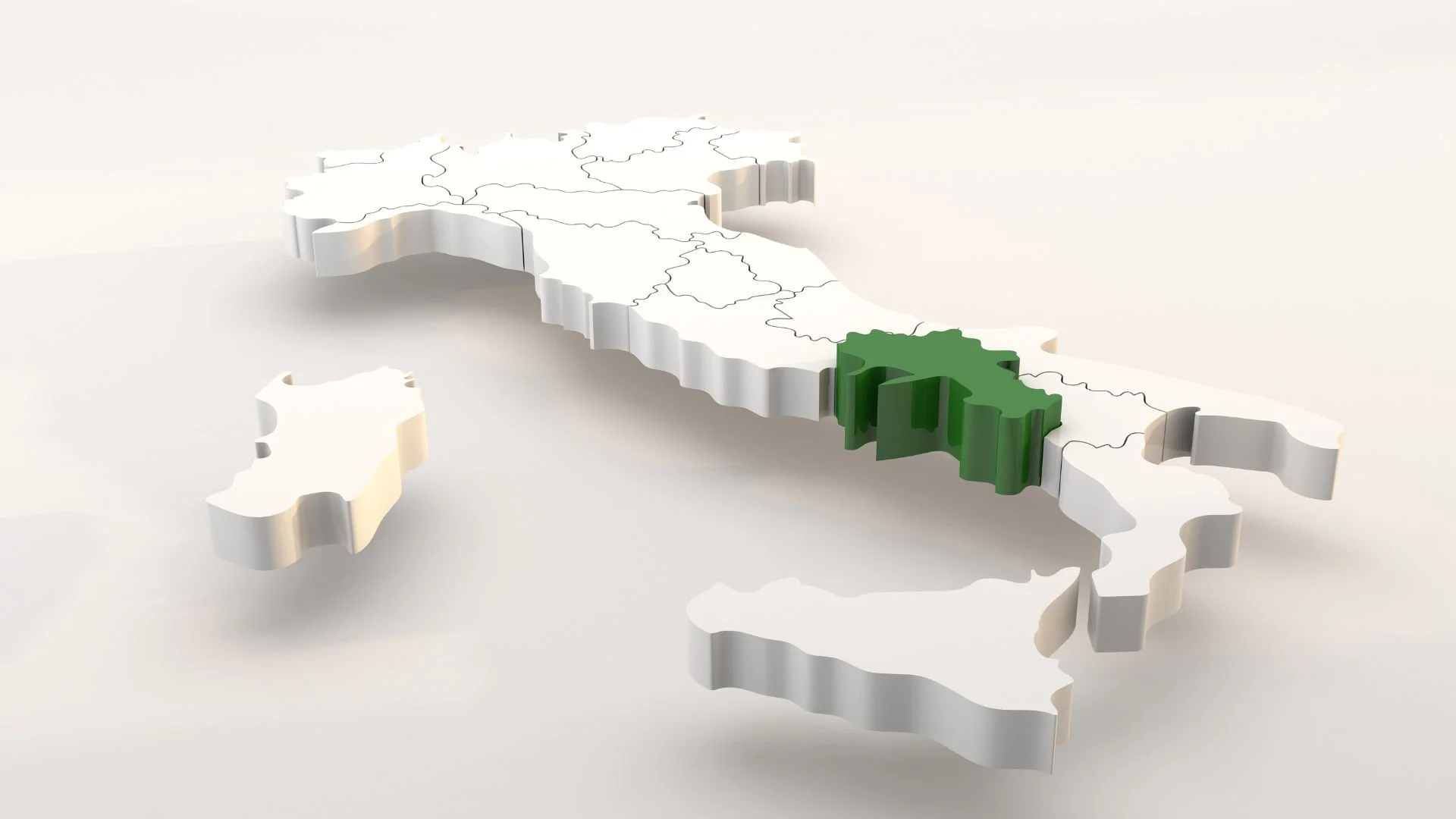
This is probably the biggest mistake people make when researching Italy.
They ask:
“Is Italy affordable?”
But Italy is not one market.
Northern cities often cost more. Famous tourist areas cost more. Historic centers cost more. Coastal areas can cost more. Areas with strong international demand cost more.
Smaller inland towns, southern regions, and less famous areas may be far more affordable — but they may also come with trade-offs.
Fewer services. Less English. More need for a car. Fewer international connections. Less rental availability. More bureaucracy that you handle in Italian.
There is no perfect place.
There is only the place where the trade-offs make sense for you.
Buying a home can lower monthly costs — but it is not free
Many people think buying a house in Italy solves the cost problem.
Sometimes it helps.
But buying creates a different set of costs:
purchase taxes
notary fees
agency fees
renovation
maintenance
heating
insurance
local taxes
condominium fees, if applicable
foreign asset reporting or tax issues in your home country
possible IVIE/foreign property considerations if you remain tax-connected elsewhere
And if you buy the wrong property, the cheap house can become the expensive decision.
If buying property is part of your plan, start with the Italy Retirement Blueprint before you fall in love with a house.
That is especially true with old houses, rural properties, and renovations.
The purchase price is only the opening scene.
So what is the real retirement number?
Here is the honest answer.
For a single person, I would want to see at least €1,800–€2,500/month for a reasonably stable retirement plan, depending on location and housing.
For a couple, I would want to see at least €2,700–€4,000/month for a more comfortable plan, again depending on rent, taxes, healthcare, transport, and lifestyle.
Could you do it for less?
Yes.
Would I advise someone to move across the world with no buffer, no tax clarity, and no room for mistakes?
No.
Italy can be affordable.
But Italy is not magic.
The real question to ask yourself
Do not start with:
“What is the cheapest place I can live in Italy?”
Start with:
“What kind of life am I actually trying to build, and what does that life cost?”
Then look at regions.
Then housing.
Then healthcare.
Then transport.
Then taxes.
Then your safety margin.
That is how you turn the dream into a plan.
Because retiring in Italy can be a beautiful next chapter.
But only if the numbers are real.
Before you plan your move
Start with the free relocation roadmap, then use the Italy Tax Calculator to understand how your income may be treated.
If you are trying to understand your own Italy retirement budget, start with the free relocation roadmap and planning tools.
And if taxes are part of your concern, use the Italy Tax Calculator to get a basic estimate before making big decisions.
Italy is worth dreaming about.
But the dream works better when the numbers are honest.
